Menu writing
How to Write Restaurant Menu Descriptions: 10 Practical Examples
Make every word useful. A simple writing method and ten examples to help guests understand what is on the plate.
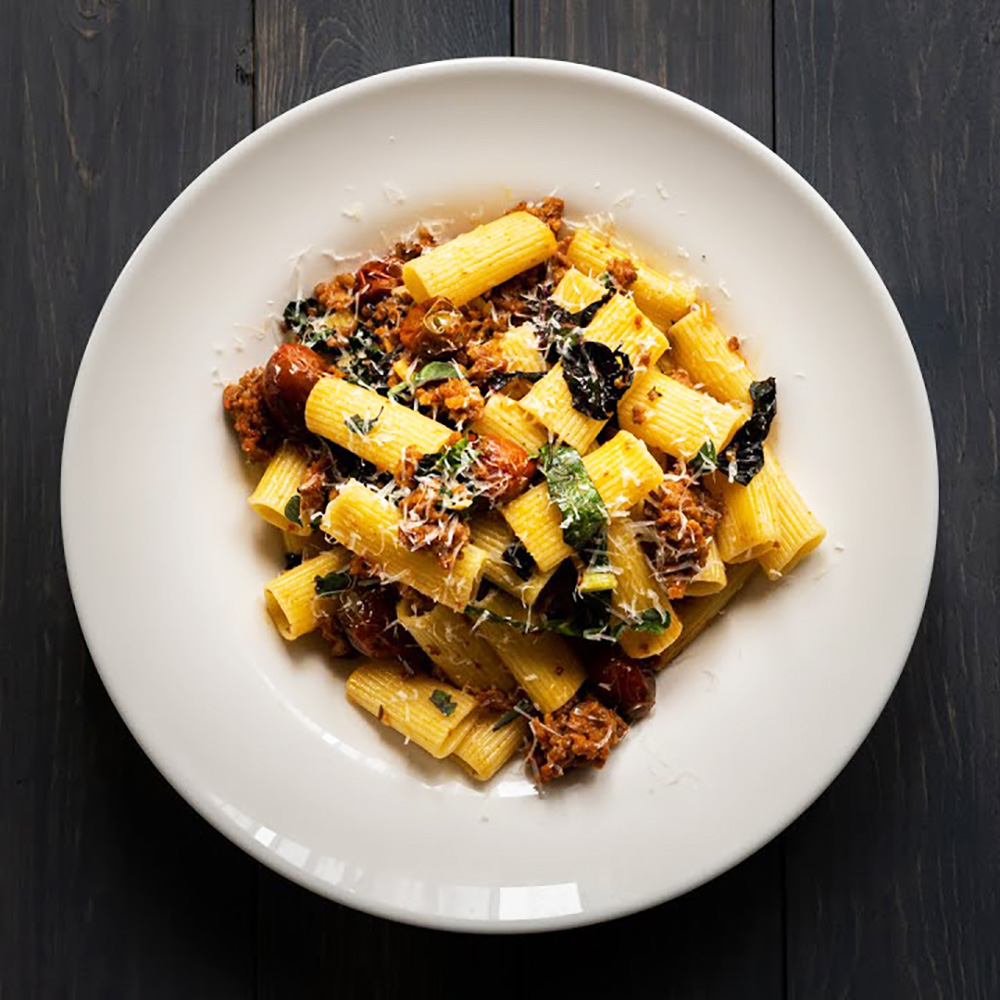
The ingredients. The preparation. The details that help someone choose.
Good restaurant menu descriptions tell guests what a dish is, what makes it distinctive, and what comes with it. Start with a recognizable name, add the main ingredients and preparation, then include a detail that helps someone choose. You do not need a string of superlatives to make food sound appealing.
This guide is for restaurant teams writing or refreshing a visual menu. The ten examples are fictional writing exercises, not Foodsi customer dishes or tested sales results. Adapt the structure to your recipes and ask the kitchen to verify every ingredient before using the wording.
The essentials
- Name the dish clearly, then describe its ingredients and preparation.
- Explain details that the photo cannot show, such as included sides.
- Treat every description as information the kitchen must be able to stand behind.
A useful structure for menu item descriptions
Build a description in this order: main ingredient, cooking method, supporting flavours, and included accompaniment. You do not need every part for every dish. A familiar drink may need only its ingredients and serving size, while an unfamiliar preparation deserves a little explanation.
For a first draft, try one sentence that a server could comfortably say aloud. Remove words that do not help a guest imagine the food or understand the order. “Roasted” describes a preparation; “incredible” describes your opinion. Keep the first when it is accurate and question the second.
Write the name and description together. If the name already says “Roasted tomato soup”, use the next line to explain the basil, texture, or bread rather than repeating the same phrase. In a digital menu, a photo and the price also carry information, so the description does not have to do everything.
10 restaurant menu descriptions, before and after
Each example below replaces a vague description with concrete details. The revised versions deliberately avoid invented provenance, dietary assurances, and claims about popularity. They describe hypothetical recipes so you can see how the method works.
1. Tomato soup
BeforeDelicious homemade soup.
AfterRoasted tomato soup with basil, served with toasted sourdough.
Names the main ingredient, preparation, and included bread. Use “homemade” only if it accurately describes your process.
2. Mushroom toast
BeforeOur famous mushroom toast.
AfterGrilled mushrooms on sourdough with parsley butter and pickled shallots.
Explains the savoury base and the sharper garnish without relying on an unsupported popularity claim.
3. Chicken sandwich
BeforeThe ultimate chicken sandwich.
AfterCrisp chicken thigh, shredded cabbage, and lemon mayonnaise in a toasted bun.
Identifies the cut and texture. Add the side separately if fries are included rather than making guests guess.
4. Roasted cauliflower
BeforeA healthy cauliflower dish.
AfterRoasted cauliflower with tahini sauce, parsley, and pomegranate seeds.
Describes ingredients instead of making a broad health claim. Recipe and dietary questions still need the restaurant’s verified information.
5. Beef burger
BeforePremium burger with all the extras.
AfterBeef patty with cheddar, lettuce, pickles, and onion relish, served with fries.
Makes the toppings and accompaniment explicit. State the patty weight only if it is an accurate, consistently used portion.
6. Mushroom pasta
BeforeCreamy pasta you will love.
AfterRigatoni with sautéed mushrooms, cream, black pepper, and grated hard cheese.
Names the pasta shape and sauce. Replace “hard cheese” with the specific cheese you actually use.
7. Grilled fish
BeforeFresh fish of the day.
AfterGrilled sea bass with lemon potatoes and a parsley dressing.
Names a species in this hypothetical recipe. If the catch changes, update the description or explain how guests can ask about today’s fish.
8. Chocolate dessert
BeforeDecadent chocolate heaven.
AfterWarm chocolate cake with a soft centre, served with vanilla ice cream.
Explains texture, temperature, and accompaniment. Avoid promising a flowing centre unless the kitchen consistently serves it that way.
9. Iced coffee
BeforeRefreshing iced coffee.
AfterEspresso over ice with cold milk. Ask about the milk options available today.
Clarifies the preparation and gives a useful next step without implying every substitution is always available.
10. Citrus drink
BeforeThe perfect summer cooler.
AfterLemon and orange juice with sparkling water, mint, and ice.
Lists the main flavours and texture. If sweetness comes from an added syrup, include it rather than leaving out a defining ingredient.
How much detail does a description need?
Give more space to decisions that would otherwise require a question. Whether a dish is a starter or a sharing portion, whether a side is included, and whether a sauce is served separately can matter more than another adjective. Put optional extras and prices where guests can find them easily.
Test the text in the actual menu on a phone. A sentence that feels short in a spreadsheet can become a dense block beside a photograph. Read the title, description, and price as one unit. If the first line repeats the title, shorten it and use that space for a useful distinction.
Consistency helps the team maintain the menu. Decide whether preparation details come before accompaniments, how you name options, and which spelling you use. A small house style is easier to follow than rewriting each dish in a different voice.
Let photographs and words do different jobs
A photograph can show colour, arrangement, and presentation. Words can explain cooking methods, ingredients beneath a sauce, and what is included in the price. Check that both describe the same version of the dish. An old photograph with a new recipe can be more confusing than having no photograph at all.
In a visual menu such as Foodsi, check the description alongside the dish image rather than reviewing the text alone. Use a video only when it adds useful information about the food. The price and basic description should remain easy to find without requiring someone to watch a clip.
Review descriptions with the kitchen and service team
Give the kitchen the first accuracy check and the service team the next readability check. Ask what guests commonly misunderstand, then answer those points in plain language. For an unfamiliar ingredient, a brief explanation can help more than replacing it with a fashionable phrase.
Keep dietary information separate from creative copy and use the restaurant’s verified process for it. Do not infer an allergen status from a photo or from a short ingredient list. If a recipe, supplier, portion, or accompaniment changes, review the description at the same time.
- Does the name identify the dish clearly?
- Are the ingredients and preparation accurate?
- Is the included accompaniment obvious?
- Does the photograph match the current recipe and portion?
- Have we removed unsupported claims about origin, popularity, or health?
- Can a guest read the description comfortably on a small screen?
Start with five descriptions, then build a repeatable style
Choose five dishes with different formats and rewrite them using the same structure. Put the drafts next to their photos, read them aloud, and ask the team what is missing. Once that approach works, apply it to the rest of the menu.
Keep the approved descriptions in one shared list and nominate an owner for changes. A useful restaurant menu description is not the most elaborate sentence. It is the one that helps a guest understand the dish and gives the kitchen a clear expectation to meet.
Once your descriptions are ready, follow the steps to create a QR code menu for your restaurant, from choosing the format to checking the printed code.
Common questions
Should every menu item have a description?
Use a description when it adds information a guest needs. A familiar bottled drink may need little explanation; a house dish or unusual preparation usually benefits from one. Avoid repeating the title simply to fill the same amount of space on every card.
Can I use AI to draft menu descriptions?
You can use it to organize verified recipe information or explore wording, but check every detail. Do not accept invented ingredients, preparation methods, origins, or dietary claims. The restaurant team should approve the final version before it appears in the menu.
Should I translate the descriptions word for word?
Preserve the actual ingredients, portions, and preparation, but use natural wording for each language. Explain regional dish names where useful. Have someone who knows both the food and the language review the result rather than relying on a literal translation alone.